
Energy: The Foundation of the
I-64 Innovation Corridor's Future
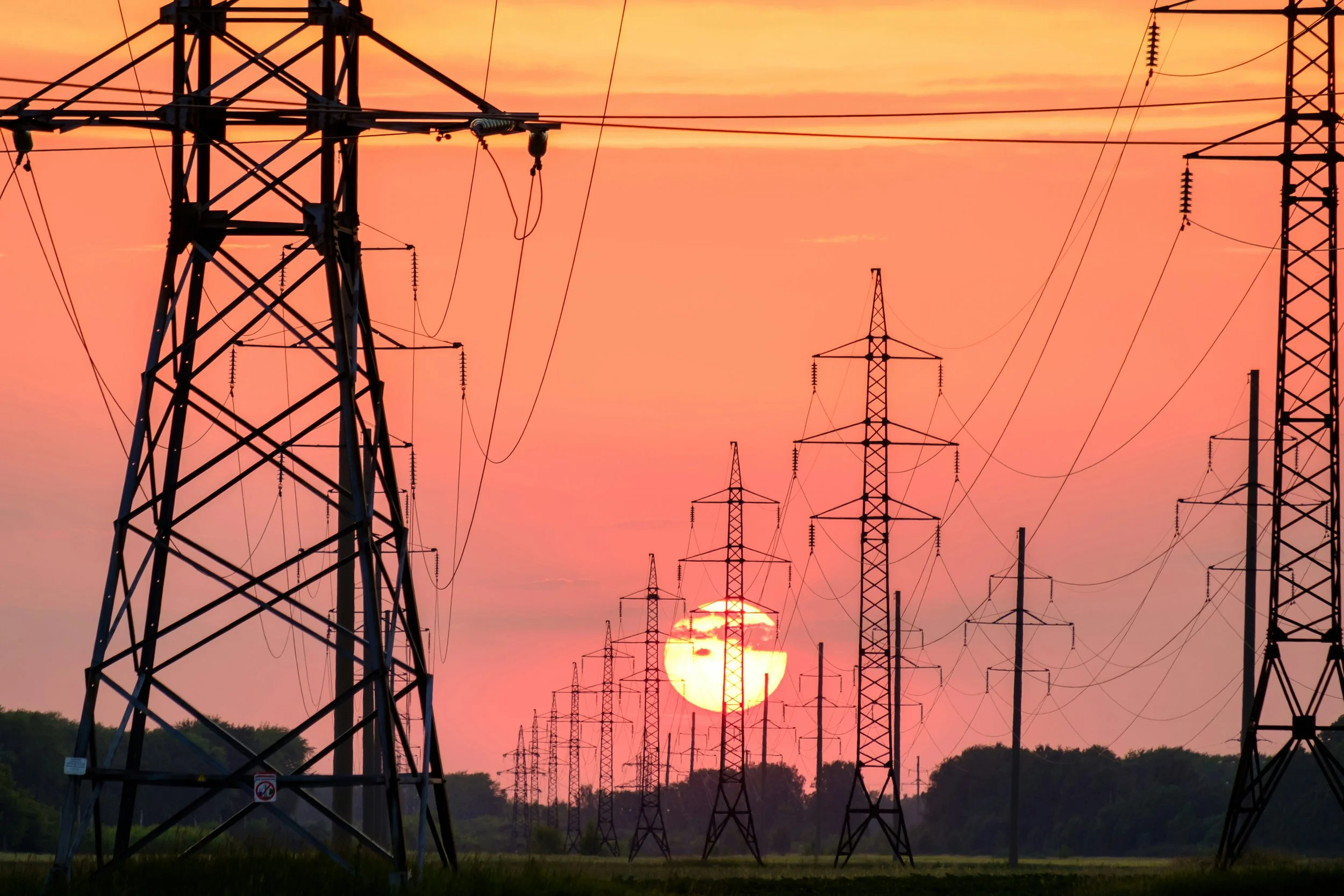
For the I-64 Innovation Corridor, the stakes are concrete. The megaregion’s competitive strengths — its ports, defense installations, universities, fiber infrastructure, and innovation economy — all depend on reliable and affordable energy.
That background assumption is now a front-page issue — and RVA757 Connects is stepping in to help the megaregion.
Virginia's electricity demand is growing four times faster than historical norms, driven by the electrification of nearly everything — EVs, manufacturing, healthcare, cloud computing, and AI. At the same time, new infrastructure is getting harder to build, and Virginia remains one of the most electricity-import-dependent states in the country.
This isn't a crisis, and it's not a knock on any utility — Virginia's energy providers are investing at an unprecedented scale. But site selectors now treat power availability as a top-tier criterion for where growth lands. Every strength of our megaregion — from The Port of Virginia to Hampton Roads' defense installations to our university research base — depends on getting this right.
Renewables — Building Toward a Cleaner Grid
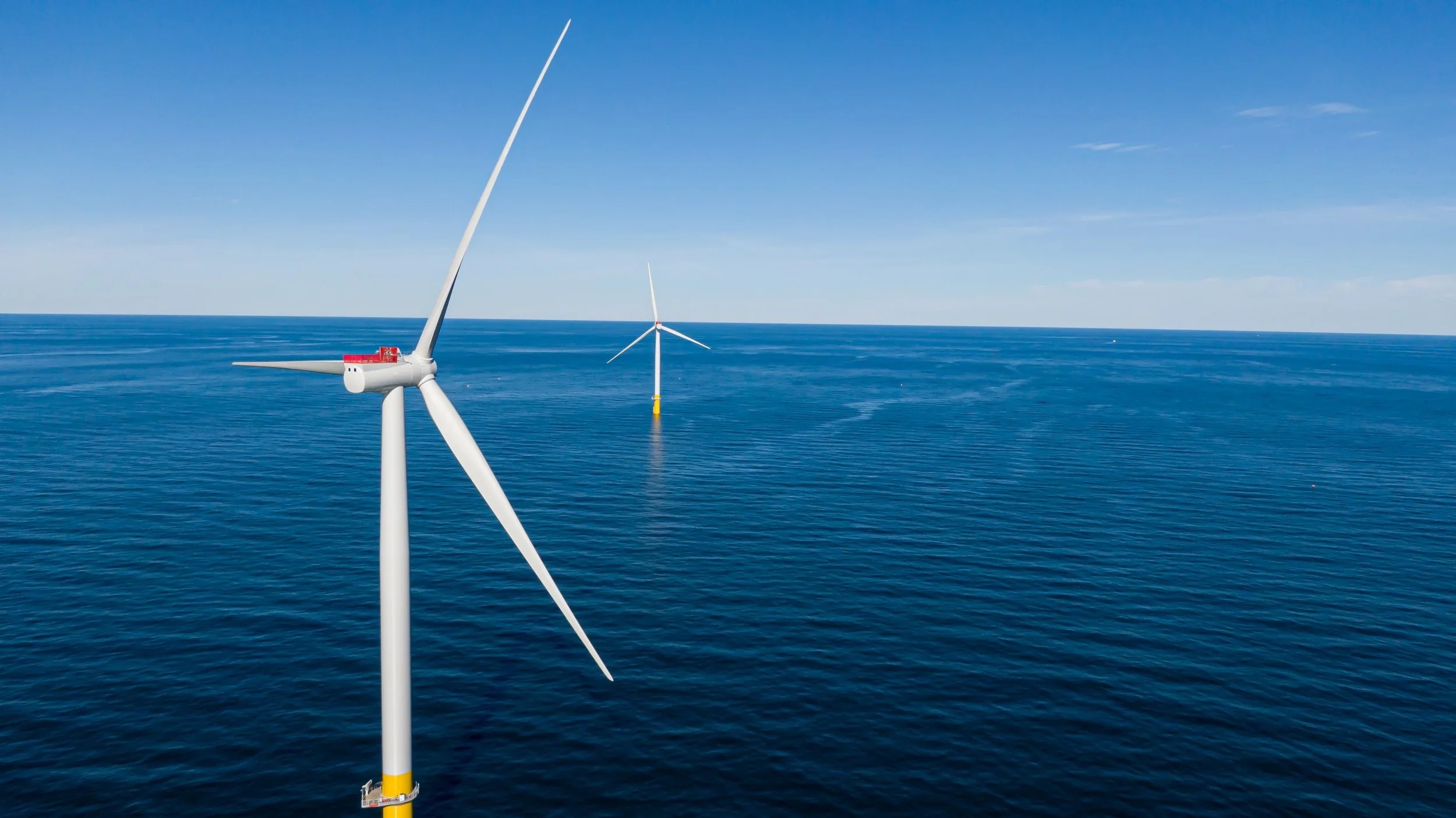
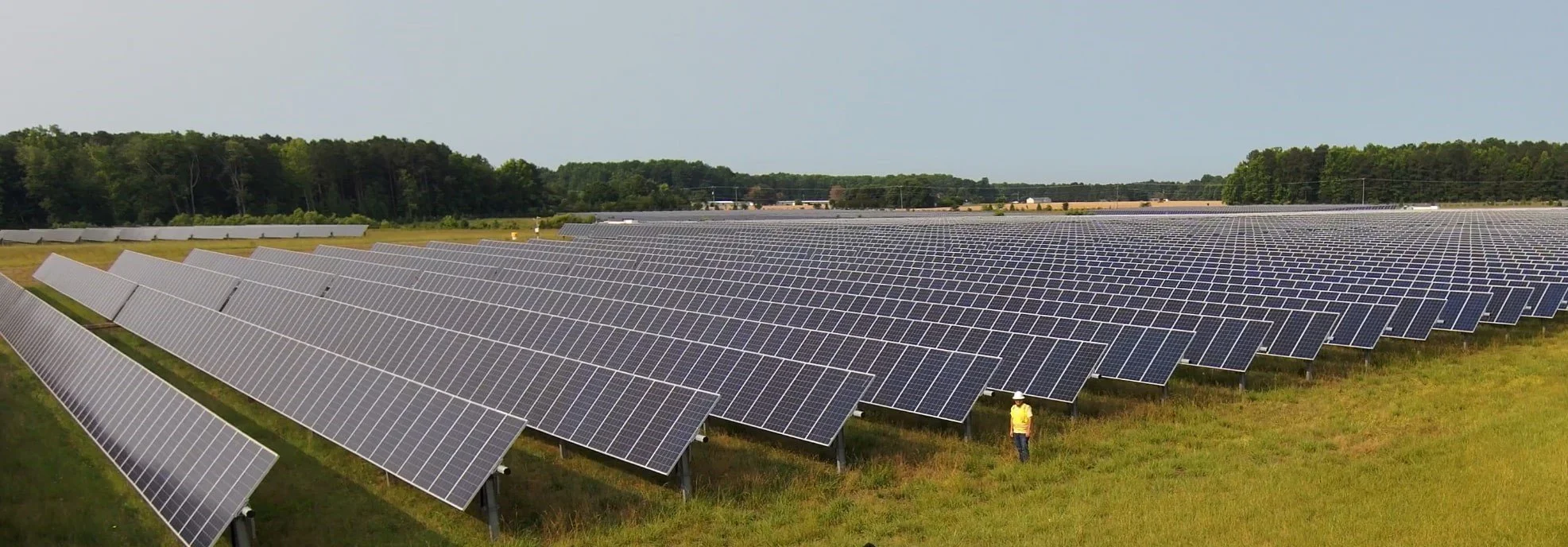
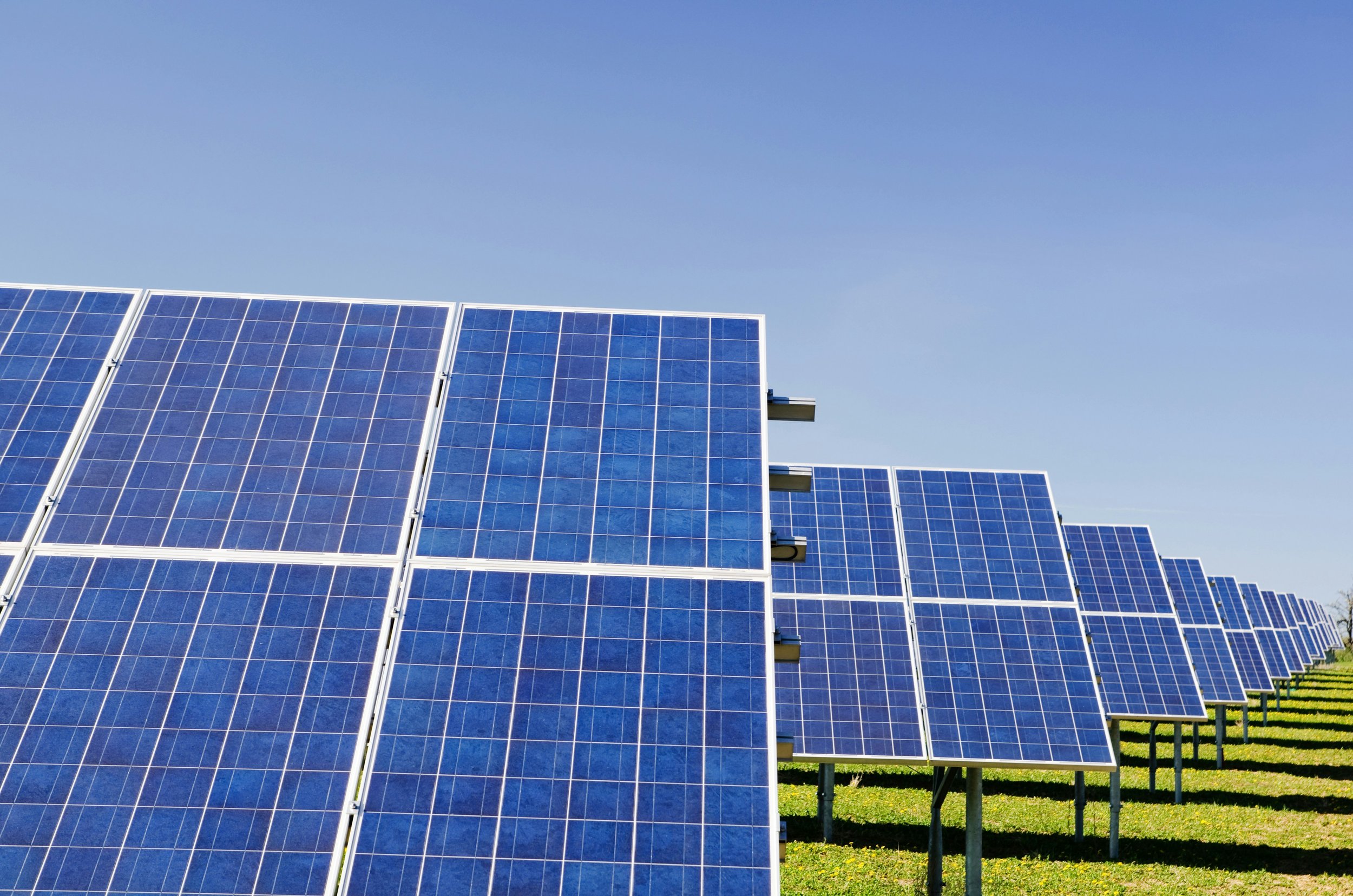
Virginia's Clean Economy Act mandates 100% clean electricity by 2045. Dominion Energy is the third-largest solar owner among U.S. utilities, and the Coastal Virginia Offshore Wind project — the largest in the country — began generating commercial power in March 2026. At full scale, CVOW alone will power 660,000 homes. Because renewables are intermittent, scaling them actually increases the need for reliable backup power, reinforcing rather than replacing natural gas.
Innovation — The Long-Term Horizon
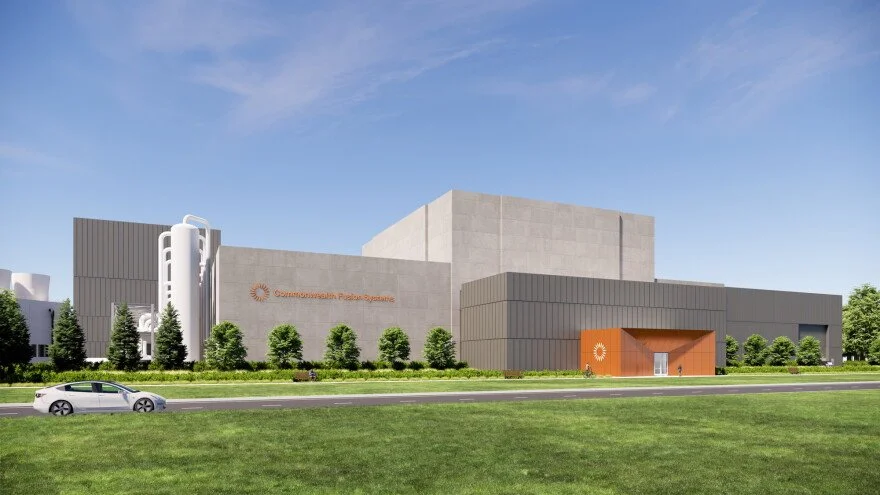
Small modular reactors are planned for the mid-2030s. Commonwealth Fusion Systems is building the Fall Line Fusion Power Plant in Chesterfield County — expected to deliver power in the early 2030s. Neither is a near-term planning assumption, but both signal Virginia is positioned at the frontier of energy innovation, and that the region's Secure Energy Future Center in Newport News is building the workforce and testbeds to support what's next.
An "All of the Above" Strategy
The path forward rests on three pillars working together: natural gas providing the dispatchable reliability backbone, renewables scaling toward Virginia's clean energy goals, and innovation — small modular reactors, fusion, and having the region's new Secure Energy Future Center — extending the horizon of what's possible.
No single source can carry the load alone.
There's broad agreement on the path forward. It rests on three interconnected pillars — each essential, none sufficient alone.
Natural Gas — The Reliability Foundation
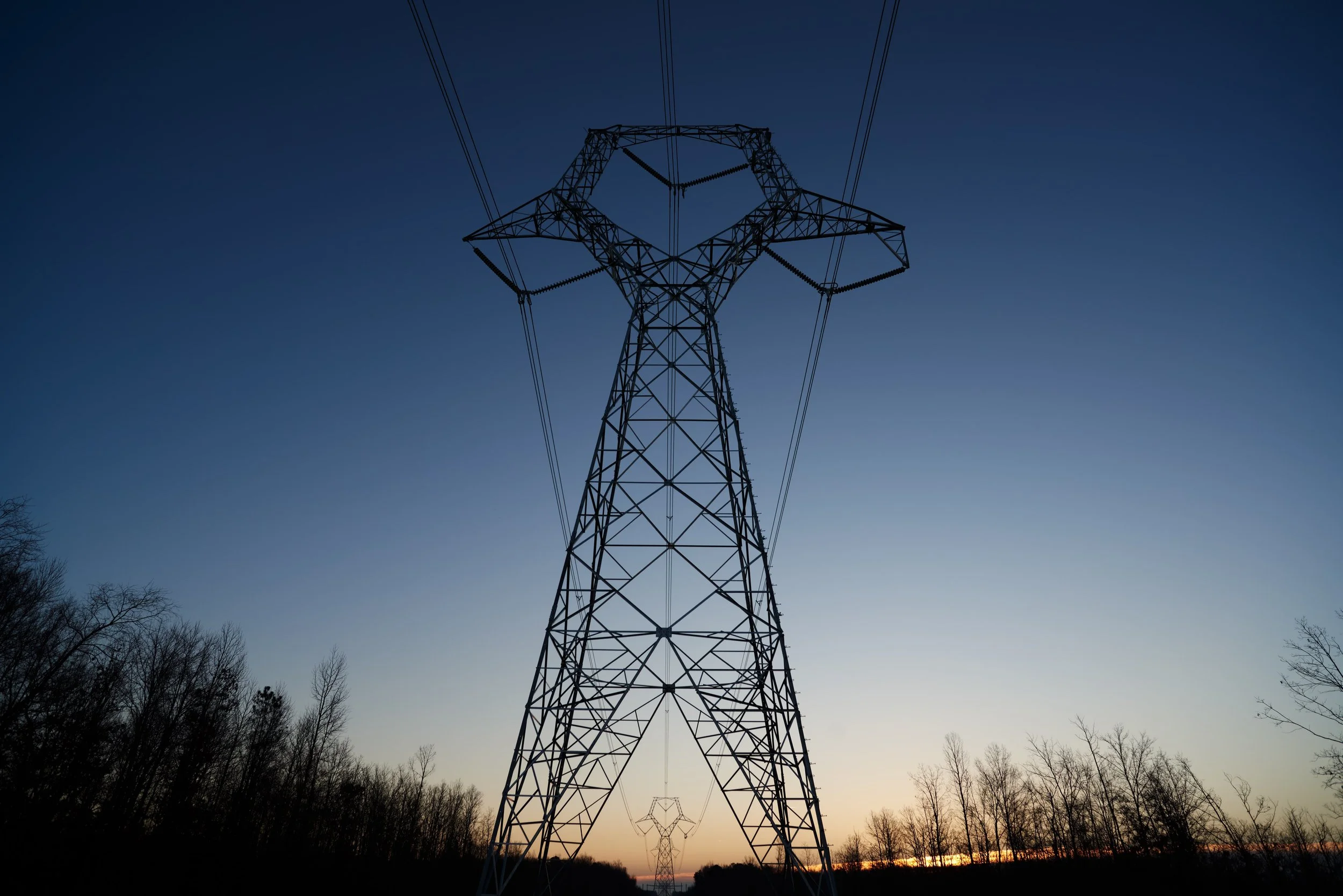
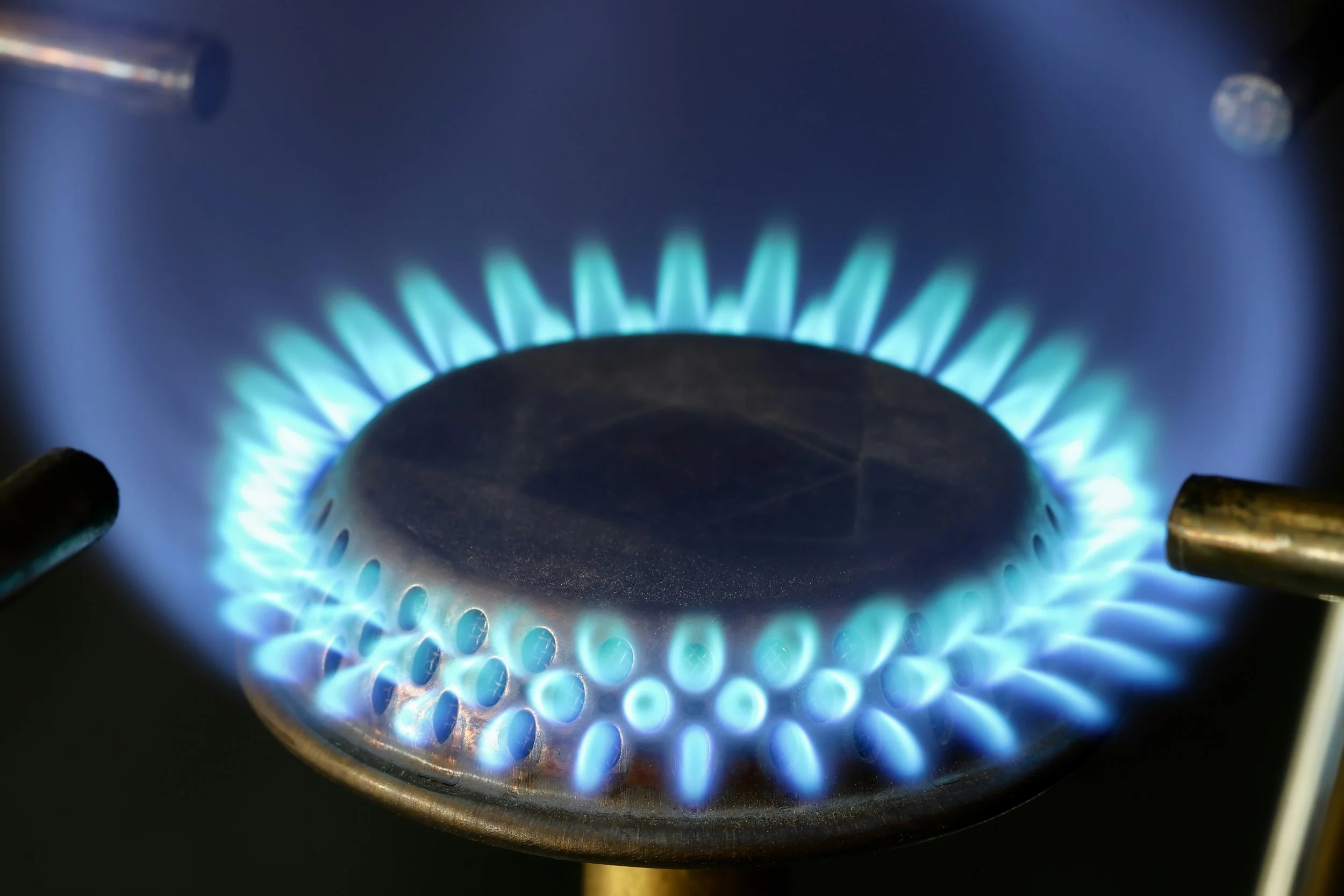
Natural gas provides roughly 55% of Virginia's electricity and remains the grid's dispatchable backbone — able to ramp up in minutes during peak demand. Natural gas–dependent projects accounted for nearly half of all jobs and capital investment Virginia attracted between 2022 and 2025 — roughly 100,000 jobs and $200 billion in investment.
What’s at Stake
The conversation about energy infrastructure is often framed around reliability and rates. Both matter enormously. But for the I-64 Innovation Corridor, the stakes extend further: energy availability is increasingly determinative of where economic growth lands and where it does not.
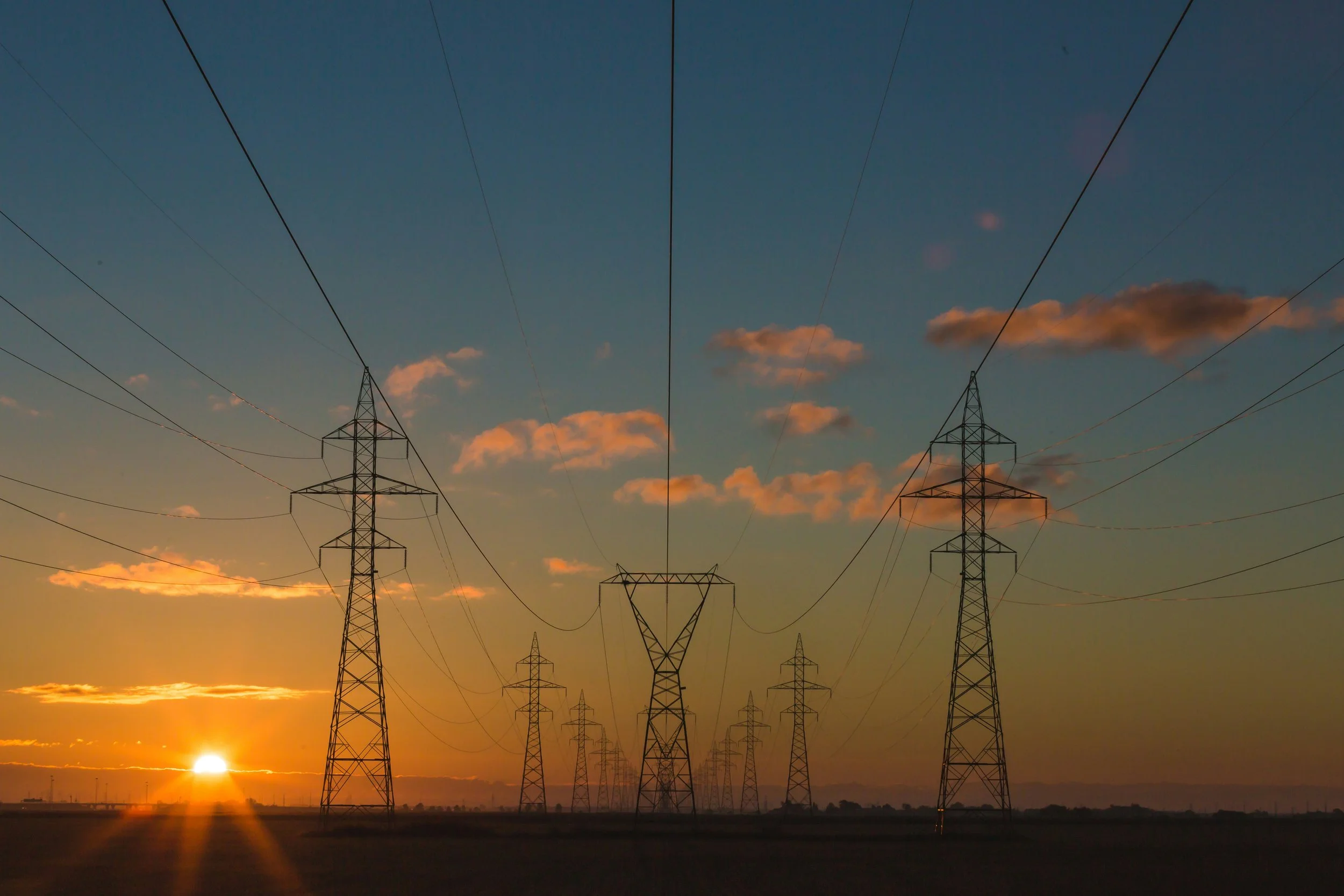
The downside is not hypothetical. If Virginia cannot build generation and transmission infrastructure at the pace demand requires, energy prices rise, grid reliability degrades under peak conditions, and economic development prospects choose other states.
-
Hampton Roads hosts the largest concentration of military assets in the world. Uninterrupted power isn't just economic development — it's a national security requirement.
-
The Port of Virginia is electrifying operations and competing as a global logistics hub. Its future growth depends on power infrastructure keeping pace.
-
These industries can't absorb outages or voltage fluctuations. Reliable power quality is table stakes for the employers we're trying to attract.
-
Subsea cables, data centers, fiber networks, and internet exchange points — the backbone of our global internet hub strategy — are power-dependent at every layer.
-
Competing for federal research dollars and top talent requires a competitive operating environment, energy included.
What We're Doing — and How You Can Help
RVA757 Connects’ leadership is now exploring how the organization can help advance this energy conversation. Possibilities include:
Closing the knowledge gapEquipping directors, MIC members, and their organizations with a clear, shared understanding of the energy landscape.
.
Helping local leaders see the regional pictureConnecting community concerns to the megaregion-wide stakes, without overriding local voices.
.
Showing up in public processesSupporting open houses, community information sessions, and SCC hearings with informed, credible voices. RVA757 Connects has already submitted letters of support for VNG infrastructure and Dominion offshore wind projects.
Championing the Secure Energy Future CenterBuilding awareness of this Virginia Tech–backed innovation hub in Newport News and connecting members to its accelerator and education programs.
Engaging elected officialsAdvocating for balanced, "all of the above" energy policy that supports investment, responsible cost allocation, and Virginia's clean energy commitments.
Convening the conversationBringing Metro Richmond and Hampton Roads leaders together, because no single utility, regulator, or community can solve this alone.
The I-64 Innovation Corridor has the assets, the talent, and the institutional capacity to lead on energy — not as a spectator, but as a driving force.
Getting there requires something no government or utility can mandate on its own: public understanding, community trust, and sustained business leadership. That's the role RVA757 Connects is positioned to play.
No single utility, regulator, government body, or community organization can solve Virginia's energy challenge at the speed and scale the moment demands.
The path forward is not a choice between reliability and clean energy — it is the disciplined pursuit of both: natural gas providing the backbone of dependable power, renewables scaling toward Virginia's clean energy commitments, and innovation continuously extending the horizon.
None of it happens without trust. And none of it happens without informed, regionally coordinated leadership from the business community.
“Fueling the future together.”
-- Shannon Pierce, President and CEO, Virginia Natural Gas