Miles of Progress: I-64 Gap and HRBT Expansion projects are reshaping our megaregion
The Speakers:

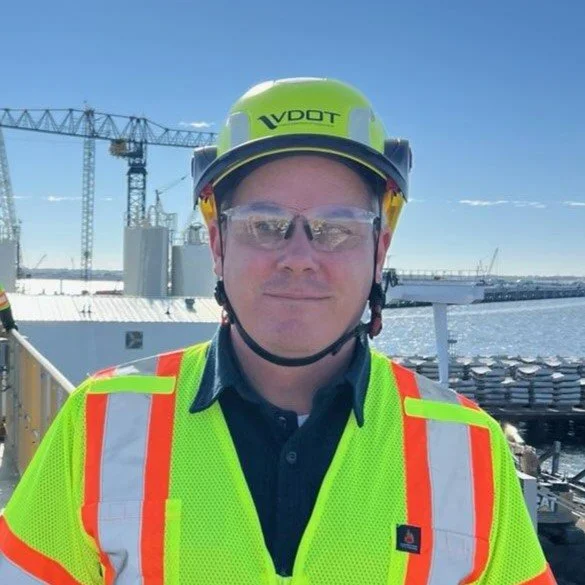
Eric Thornton is the Richmond District Mega Projects engineer with the Virgina Department of Transportation.
Thornton graduated from the University of Virginia with a Bachelor of Science in Civil Engineering and is a registered Professional Engineer in Virgina and a licensed Certified Construction Manager.
He has over 14 years of experience in heavy highway construction. Some of his notable projects include the 11-bridge, Accelerated Bridge Construction, I-95 Bridge Replacement project, High Rise Bridge, and currently the 30-mile interstate widening I-64 Gap.
****** ****** ******
Bradley Weidenhammer is the assistant project director for the Hampton Roads Bridge-Tunnel Expansion Project, where he is responsible for management and strategic guidance for the delivery of the complex design-build contract.
His 22-year career at VDOT includes time in the Williamsburg Residency, Hampton Roads District Location and Design, as well as construction and rehabilitation of the Midtown and Downtown tunnels between Portsmouth and Norfolk.
Weidenhammer is a registered Professional Engineer in Virginia.
He is a graduate of Georgia Tech.
Two of the most transformative infrastructure projects in Virginia's history are well underway — and together, they are poised to reshape the economic future of the Richmond region to Hampton Roads corridor.
Join us on Wednesday, June 3 at noon for a free webinar to get first-hand, up-to-the-minute updates on both the I-64 Gap Project and the Hampton Roads Bridge-Tunnel Expansion Project.
The webinar will give you an inside track on construction timelines and what those using the interstate can expect over the next several months. These two mega-projects represent a once-in-a-generation investment that will define how people and goods move through Virginia for the next 50 years.
I-64 Gap Project
The 29-mile stretch of I-64 between Richmond and Williamsburg has long been a notorious chokepoint — the last remaining section of the corridor carrying only two lanes in each direction, frustrating commuters, truckers, and tourists for decades.
Since its November 2023 groundbreaking, the $750 million project has been moving forward on three simultaneous segments (Gap A, B, and C), ultimately adding a third lane in each direction from Bottoms Bridge in New Kent County to the Lightfoot exit near Williamsburg.
The widening project is an initiative that RVA757 Connects has advocated for, as it will increase capacity and mobility, alleviate congestion, improve safety, and enhance connectivity along the I-64 corridor. The organization advocated for funding in spring 2022 when the General Assembly agreed to fund much of the project.
At the organization's Convergence event that October, then-Virginia Secretary of Transportation W. Sheppard Miller IIIcredited RVA757 Connects directly for its advocacy work.
"The reason the I-64 Gap project got funded is … the work that you all have done," Miller said. "I thank you for all your support and your partnership with us in completing this major project. You placed those op-eds, you placed those media stories, you sent letters to the budget conferees, you supported VDOT directly, and all of that contributed to our efforts to secure the funding. We just could not have gotten here without you."
The project’s final segment is expected to be completed by May 2029.
Hampton Roads Bridge-Tunnel Expansion Project
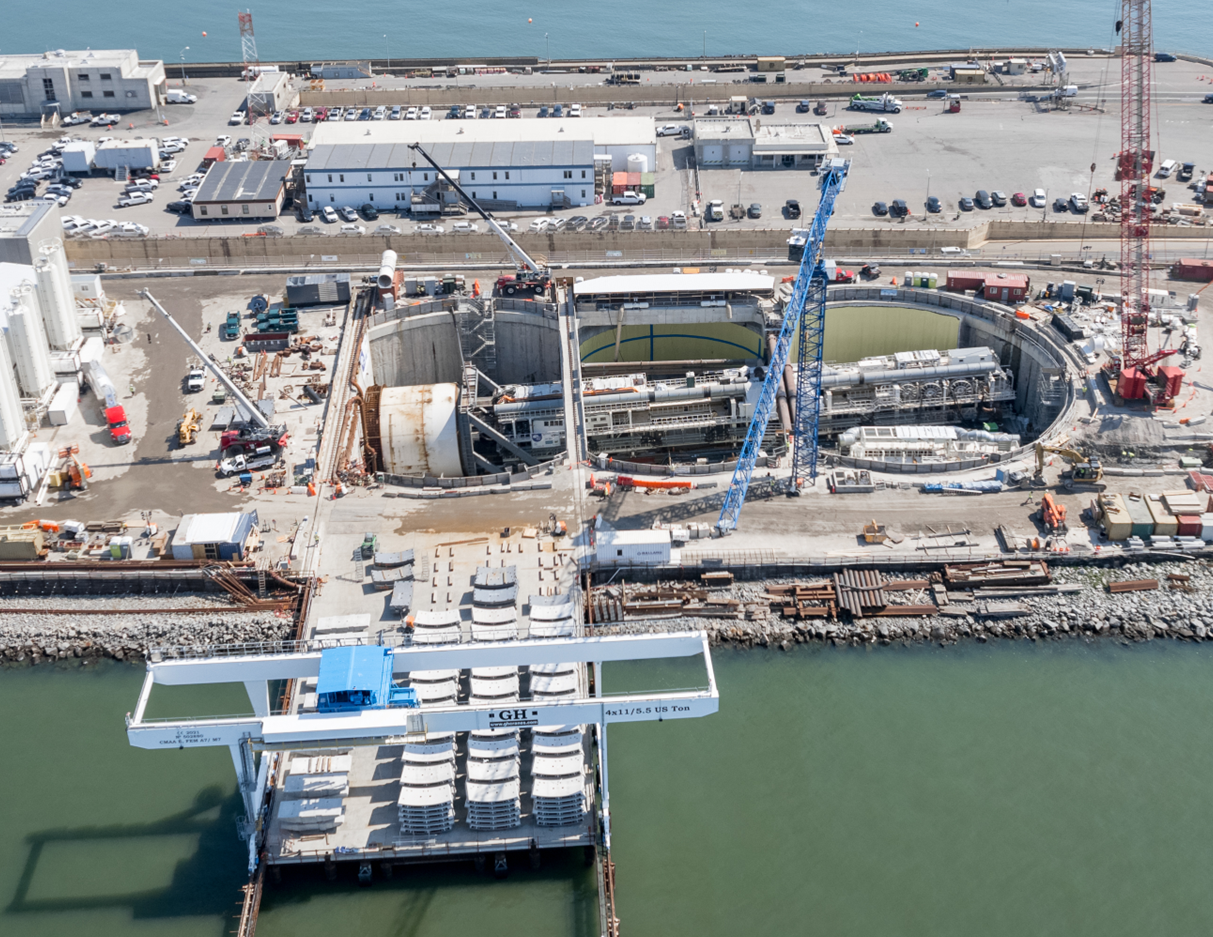
At $3.9 billion, the HRBT Expansion is the largest highway construction project in Virginia's history.
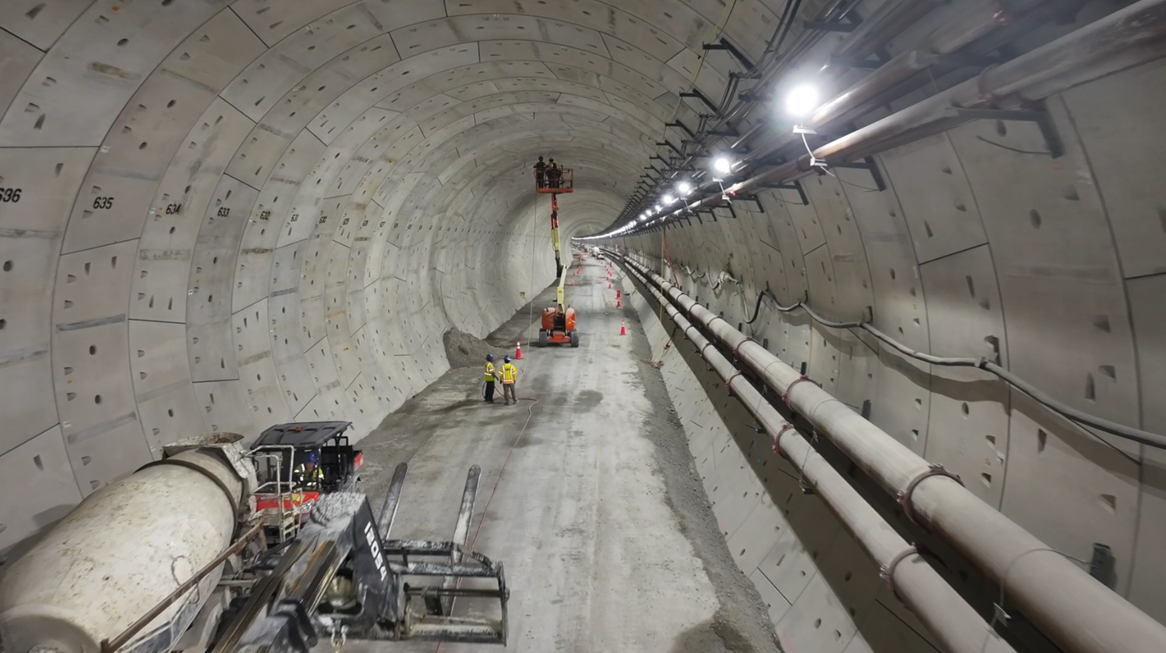
Spanning nearly 10 miles of I-64 from Hampton to Norfolk, it will grow the crossing from four lanes to eight and includes two new bored tunnels, full trestle replacements, a new Mallory Street Bridge, and rehabilitation of 20 bridges.
The project's tunnel boring machine, "Mary," completed her second tunnel in late 2025 and has since been dismantled and shipped back to Germany. Crews are now focused on final installations — fire and life safety systems, mechanical and electrical components, and roadway widening.
The project is scheduled for completion in 2027, coinciding with the completion of the 45-mile Hampton Roads Express Lanes Network. As a result, this summer's construction season is critical to keeping the project on schedule.